
SI · October 28, 2026 · 2 min
Your OpenAI Dot can now text you first
A US preview for ChatGPT Pro users brings Dots to iMessage and RCS, with photos, voice memos and, more importantly, messages the agent starts on its own.
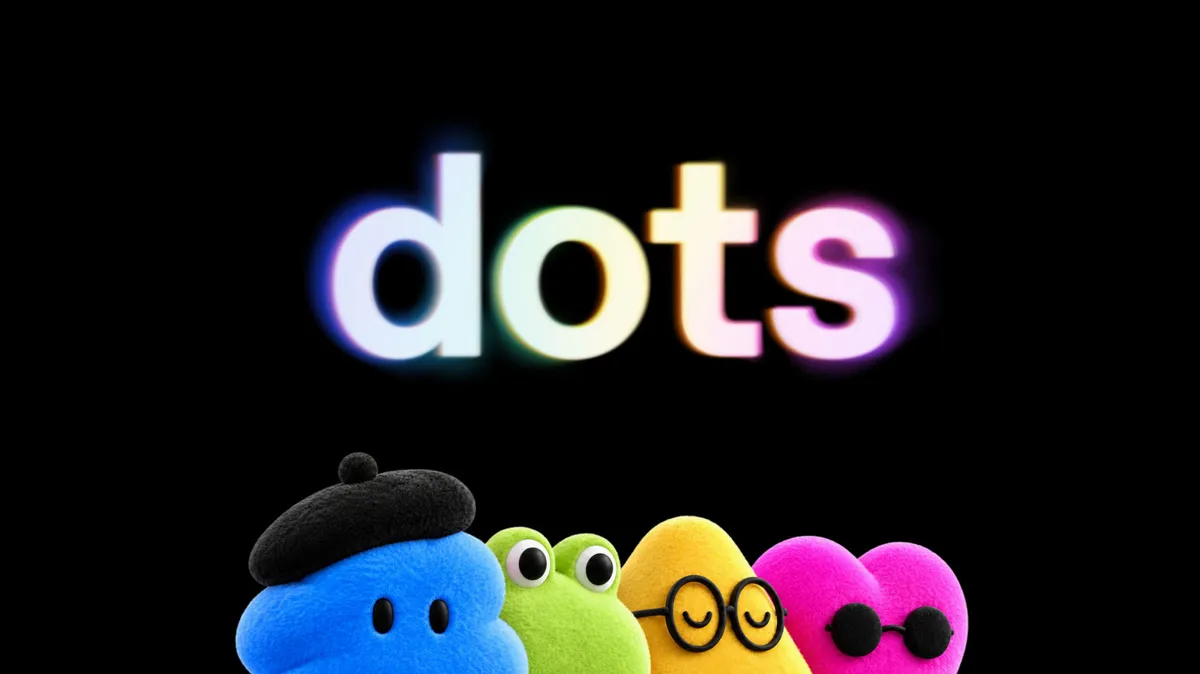
When OpenAI introduced Dots at DevDay on September 29, texting sat on the “coming soon” list. About a month later it has started to arrive. On October 28, OpenAI began a preview for ChatGPT Pro users in the US that lets you reach your Dot from the regular messaging app on your phone, Engadget reports.
What changes
The obvious change is convenience. You can send a Dot a written task, a photo or a voice memo straight from your messages, whether it is a chore you want off your plate or something you want it to keep watching. The more important change runs in the other direction. A Dot can now text you on its own, with updates on work you handed it, instead of waiting for you to open ChatGPT and check.
That shift matters because Dots were designed to be always on. As we covered at launch, each Dot has its own cloud computer and does read-only background research in your connected apps. Until now, the results of that background work mostly sat inside ChatGPT. Texting gives the agent a way to tap you on the shoulder.
How to turn it on
Setup starts in ChatGPT. Open your Dot’s profile and choose Texting. iPhone users need iMessage turned on, and Android users need RCS. OpenAI says it built the messaging with a company called Linq and ran extensive security testing. It also says only you can text your Dot and your Dot can only text you, so it cannot be used to message other people. Anything the Dot saves to memory carries over between ChatGPT and your text threads.
The price of entry has not changed
Dots still require ChatGPT Pro, which starts at $100 a month; they are not on the Plus plan. Our guide to who can get a Dot covers plans, regions and setup. Anthropic has said its rival, Claude Duet, will come to its $20 Pro plan at general availability, though Duet is currently behind a US-only waitlist. We compared the two on price and usage limits.
How this fits the agent race
Reach is becoming a battleground for personal agents. Meta’s Muse, which is free for most uses, signed up more than 10 million people in about six weeks. Dots sit behind a $100 plan, so making them easier to reach from an ordinary phone is one way OpenAI can make that price feel more worth it.
It also raises the stakes on guardrails. An agent that can start conversations is more useful and more intrusive at the same time. Dots already ask before sensitive steps and can be fenced in with Custom Rules, as we laid out in our privacy and approvals explainer. Those settings are worth reviewing before you give a Dot a direct line to your phone.
Our take
Texting makes Dots feel less like a tab you visit and more like an assistant you have. The question is whether the messages are useful or just noise. For anyone paying for Pro, it is worth trying for a week and turning the volume down if the Dot gets chatty. You can follow our wider coverage of agents in Bot HQ.