
Business · October 31, 2026 · 4 min
Unitree’s first report card as a public company: sales up 70%, profit down as it buys AI brains
China’s best-known humanoid maker grew quarterly revenue to about $100 million, but more than tripled research spending and missed profit forecasts. Here is what the numbers say about the business of selling robots.
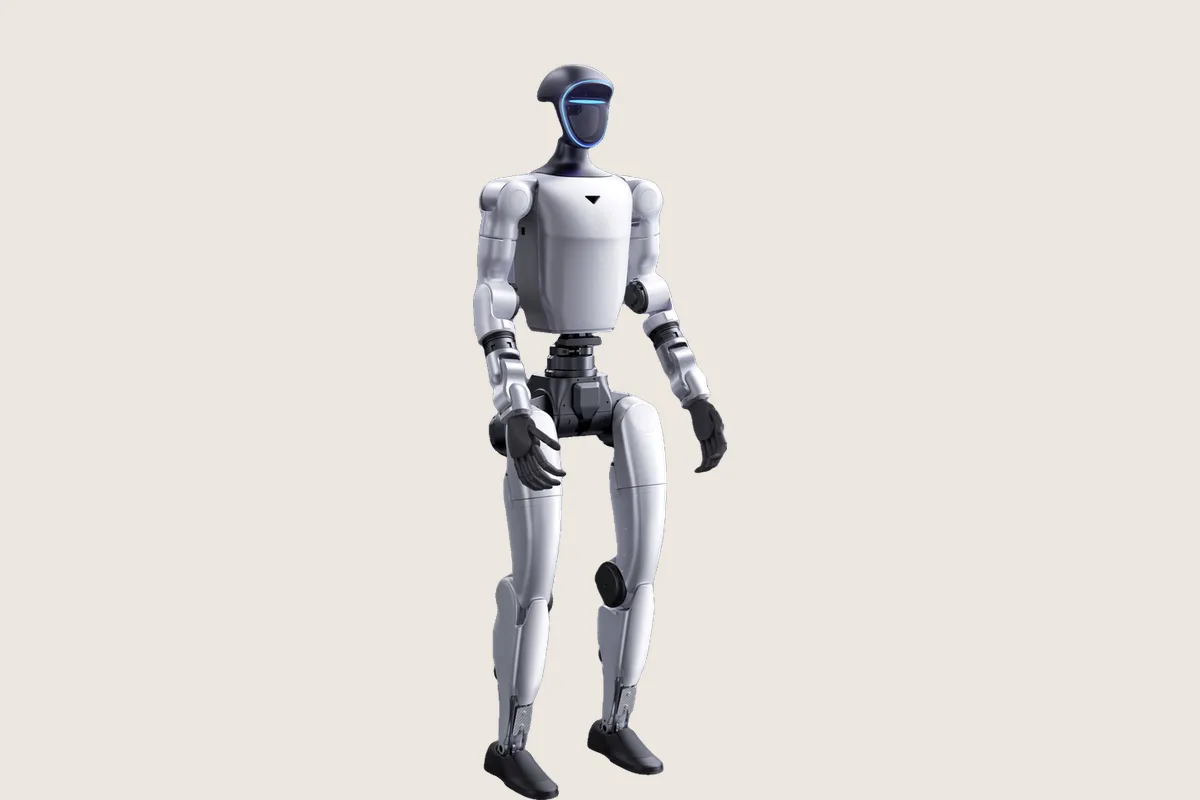
For most of the humanoid business, financial results are a private matter. Startups share funding rounds and order totals, and outsiders are left to guess what actually comes in the door. Unitree Robotics no longer has that option. The Hangzhou company listed on Shanghai’s STAR Market in August, and on October 28 it filed its first quarterly report as a public company. It is one of the clearest looks yet at the money behind a humanoid maker.
The headline numbers
Unitree’s revenue for the three months ending September 30 came to 665 million yuan, roughly $100 million, up 69.93 percent from a year earlier. Over the first nine months of 2026, revenue reached 1.82 billion yuan, up 55.71 percent. The company credited steady product launches and business expansion, saying a broader lineup is meeting more customer needs.
Profit went the other way. Net profit attributable to shareholders fell 17.37 percent from a year earlier to 112.7 million yuan, well short of the roughly 224 million yuan analysts had expected, according to Reuters. Stripping out one-time items, profit fell 17.42 percent to 105 million yuan. It also works out to about half of the second quarter’s 224 million yuan.
Where the money went
The main reason is a deliberate one. Research and development spending jumped 249.58 percent to 127 million yuan in the quarter, or about 19 percent of revenue. In its filing, Unitree tied the increase to embodied intelligence work, especially large AI models for robots and the computing power needed to train them, along with a bigger research team and new product development.
That lines up with what we have watched Unitree do on the hardware side this fall. It launched the G1+ with a moving neck and more torque and then teased the H2-X in a viral guardian video. Unitree has long been known for strong, affordable bodies. The spending says it now wants to be known for the brains as well.
Read the nine-month profit figure carefully
On paper, nine-month net profit rose 270.54 percent to 387 million yuan. That jump says less than it seems. Unitree said the comparison is flattered by a large share-based payment expense it booked a year earlier, which shrank last year’s profit. Excluding one-time items, nine-month profit actually fell 18.78 percent to about 349 million yuan. Operating cash flow over the same period was down about 55 percent. The listing has filled the bank account, though: total assets more than tripled from the end of last year to about 10.2 billion yuan.
A hard moment to be the test case
The timing is rough. Reuters reported that the STAR50 index of Shanghai-listed chip and AI companies has fallen about 40 percent since July, erasing around $480 billion in market value. Investors who bought into China’s robot story are now asking which companies can turn attention into durable earnings, and Unitree is the most visible name to judge.
How it compares
Few humanoid makers report numbers this detailed. UBTECH is listed in Hong Kong, and Tesla’s Optimus sits inside a much larger company, so its results are hard to separate. AGIBOT, Unitree’s biggest domestic rival, is still private and this week proposed a new way to score robots by the work they do rather than by how many are built. In the US, Agility Robotics is heading to Nasdaq through a merger with Churchill Capital Corp XI, and as we noted when GXO expanded its Digit order, much of its pitch rests on future orders rather than current revenue.
Against that backdrop, Unitree stands out for already being profitable while growing quickly. Most of its peers are still burning cash to reach that point.
Our take
A 70 percent jump in sales while doubling down on AI research is a reasonable trade for a company that wants to stay on top. The risk is that investors in a falling market reward profit over ambition, and a quarter where earnings missed by half will test their patience. The next few reports will show whether the extra research spending turns into robots that sell. You can compare Unitree’s machines with the rest of the field on our humanoids page, and see who is hiring robotics engineers on our jobs board.